

Think about the last time you planned a major purchase. It can be saving up for a coastal retreat or a vintage collector car. What if you are not able to get the keys after paying for the luxury? This is a strange reality of $366,000 named as health mortgage.
It is not a loan for a physical property. It is a mandatory price for staying healthy during your golden years. While most of us focus on travel or legacy, this silent tax is often ignored till the first bill arrives.
This article is not to scare anyone, but a guide for clarity to live without financial surprises.
Evaluating the Numbers and What They Mean
In your working years, income can bring surprises like a broken furnace or a sudden trip. When you retire, the living rules change. Transitioning from a high-energy career to a retirement lifestyle with a set income can feel like a huge shift.
In your working years, you probably relied on your income to handle whatever came up and maintain the life you wanted. But once you retire, you are managing a fixed pool of resources, and the timing is a lot less predictable. Many people assume Medicare, or some safety net will close the gap. The reality is messier. Routine care, with long-term support cannot add up to the total expense.
To stay on top of things, it is important to see the numbers as a map to guide you. When you treat healthcare costs like a hidden mortgage or an ongoing obligation that sits alongside housing and lifestyle choices, you suddenly have choices. You work on funding strategies and insurance layers, with phased retirement plans, and lifestyle adjustments that reduce that burden. Seeing the numbers plainly gives you the power to shape the life you want in retirement, without surprise bills driving the conversation.
The $366,000 Health Care Bill That Could Surprise Your Retirement Plans
According to Fidelity’s 2025 Retiree Health Care Cost Estimate, a 65-year-old couple retiring today will need roughly $366,000 set aside just for medical expenses. This makes a total of about $183,000 per person. That is the average cost of healthcare in retirement 2025, and it’s only expected to rise in 2026.
So, why do we call it a “hidden mortgage”? Unlike a traditional loan, you do not pay it all at once, but it quietly accumulates over time through premiums and prescription costs. And here’s the kicker, this estimate does not include long-term care or nursing home expenses. If you end up needing those, your total could easily double. This leads to catching many retirees by surprise.
The Psychology of Medical Debt
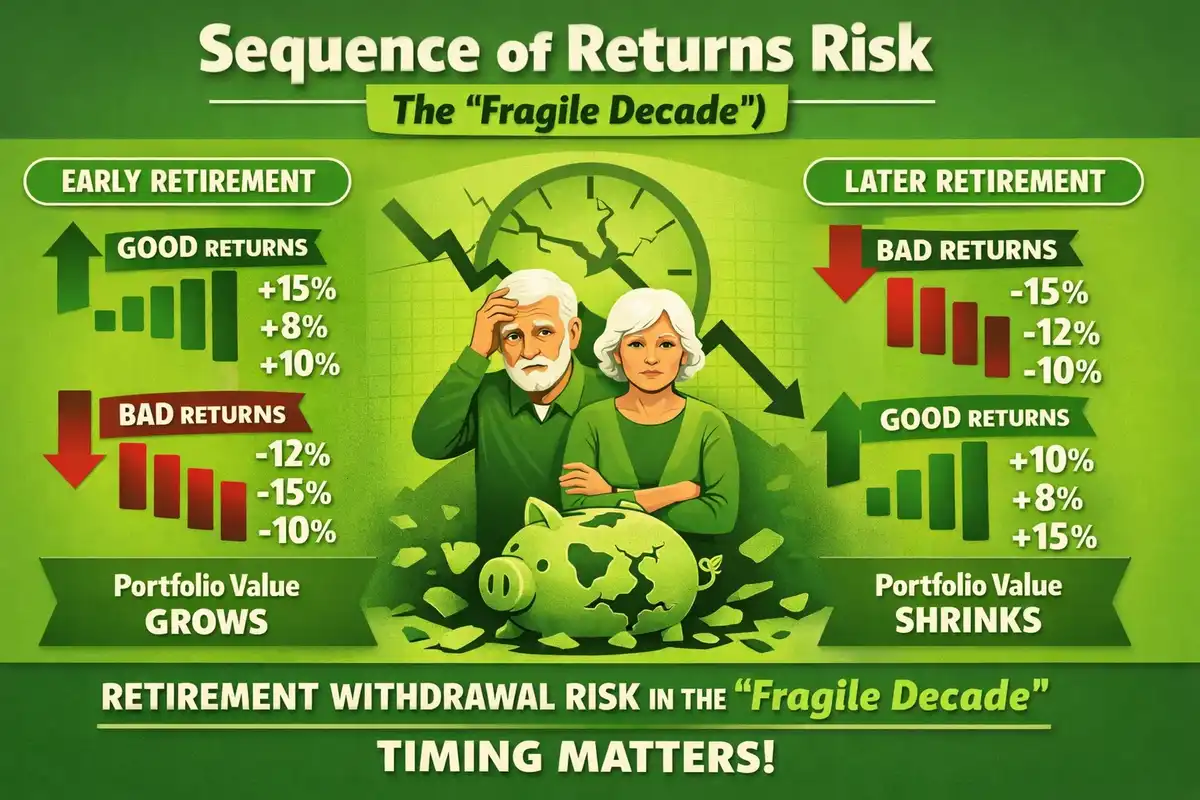
Seeing a number on a spreadsheet is different from feeling its weight. Recent reporting on the Hidden Health Crisis describes medical debt as more than just a financial failure. It is a financial trauma. For families who have spent a lifetime building a legacy, watching those assets erode because of a hospital stay feels like a betrayal of their hard work. Wealthy families often fall into the self-insure trap. They assume they have enough in the bank to handle whatever comes. But medical costs are volatile. Unlike a standard mortgage, where you know exactly what is due on the first of the month, healthcare expenses can spike by $50,000 in a single week. This volatility forces you to sell stocks or pull from real estate at the worst possible times, turning a health issue into a permanent loss of wealth.
Seeing Home Equity As A Relief
If the hidden mortgage starts to feel heavy, your actual home might provide the solution. More retirees are looking at their property not just as a place to live, but as a dynamic financial tool. Specifically, utilizing a Home Equity Conversion Mortgage (HECM) has become a popular way to manage these rising costs.
As experts noted in a recent CBS News analysis, tapping into home equity can be much smarter than draining a brokerage account. If the market is down, taking a loan against your house to cover a surgery prevents you from locking in investment losses. It keeps your portfolio intact while you use the house to pay the bills.
How To Build A Healthcare Moat Around Your Wealth
Knowing the number is $366,000 is only half the battle. The other half is ensuring that this money doesn’t come out of your lifestyle budget. You need to build a defensive perimeter around your retirement funds.
- Treat the HSA like a Super-IRA. If you are still in your peak earning years, max out your Health Savings Account and adopt a robust HSA investment strategy. It is the only investment vehicle where you get a tax break on the way in and on the way out. For a high-net-worth individual, this is the ultimate healthcare mortgage offset.
- Audit Your Medicare Supplement Yearly. Don’t just set it and forget it. You must also account for medicare surcharges IRMAA, which increase your premiums based on your income. Focus on coverage that offers global travel benefits—a must for an active retirement.
- Consider Hybrid Insurance. Look into life insurance policies that allow you to use the death benefit for living benefits like long-term care. This is a vital component of long-term care planning. If you need it, the money is there. If you don’t, it passes to your family as intended.
The Freedom of Being Prepared
$366,000 is still just a number on a page. It only turns into a hidden mortgage when it shows up unannounced. When you take the time to account for these costs early, the number loses its ability to interrupt your life or force hard decisions at the wrong moment. Planning for healthcare is never about doctor visits or prescription receipts. It is about protecting the life you have worked toward till a certain age, and the freedom to say yes to a family time with full strength. Additionally, you need to be fit enough to keep up with the hobbies that make your days feel full, and to enjoy your retired life without unexpected stress. Real wealth is not measured only by what sits in an account, but by how much control you keep over your time and your future.
Why Planning Early Changes Everything
A person talking about $366,000 is never obsessed with math. He is respectful and worried about the life he has been working hard for. Through acknowledging this hidden mortgage now, you are choosing to keep the steering wheel of life in your hands. Instead of letting medical bills disturb your life, you choose to preplan rather than sell assets. You treat health as a known and manageable variable. This protects you from being stressed out by administrative fees and hospital bureaucracy. Remember, you worked hard for freedom, and you cannot let the spreadsheet take the savings away. Plan today for a healthy future tomorrow.